Flux Footwear


A first production run costs more than a new brand has.
I co-founded Flux in 2019 with two partners. The shoe sat where good looks, real performance, and barefoot mechanics overlap, and almost nobody was building for the people in the middle. Proving they existed meant paying a factory first.
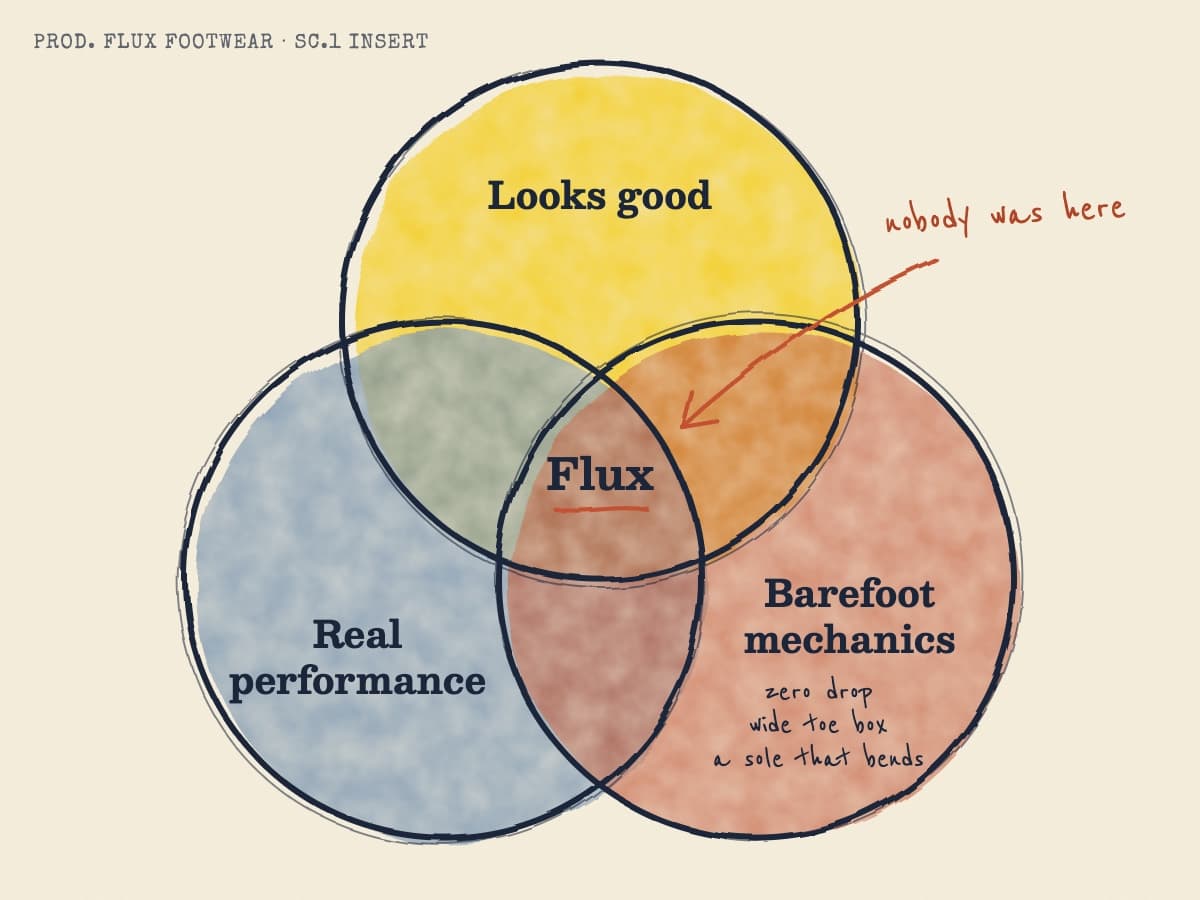

Prove the demand first, then build the store.
I proposed crowdfunding the first run so the orders came before the invoice. The Indiegogo campaign opened on November 3, 2020, hit its $15,000 goal in two hours, and passed $30,000 inside a day. The Shopify store followed in July 2021.

When the ad numbers lied, I moved tracking to the server.
iOS 14 broke browser-side tracking, and the Meta pixel started double-counting orders. Every ad decision was running on inflated numbers. I moved tracking server-side with Littledata, so Google Analytics and the Meta Conversions API read from Shopify order records. That was the year monthly revenue grew 500%.
Seven-figure revenue with a team of three.

Flux reached seven-figure annual revenue selling direct. I ran demand planning and reorders with the manufacturer in South Korea, where a wrong bet on sizes ties up the cash for the next run. I sold my stake in early 2023. The store, ad, and inventory data I worked with at Flux is what lmn.bar now puts in one view.
From the storyboard


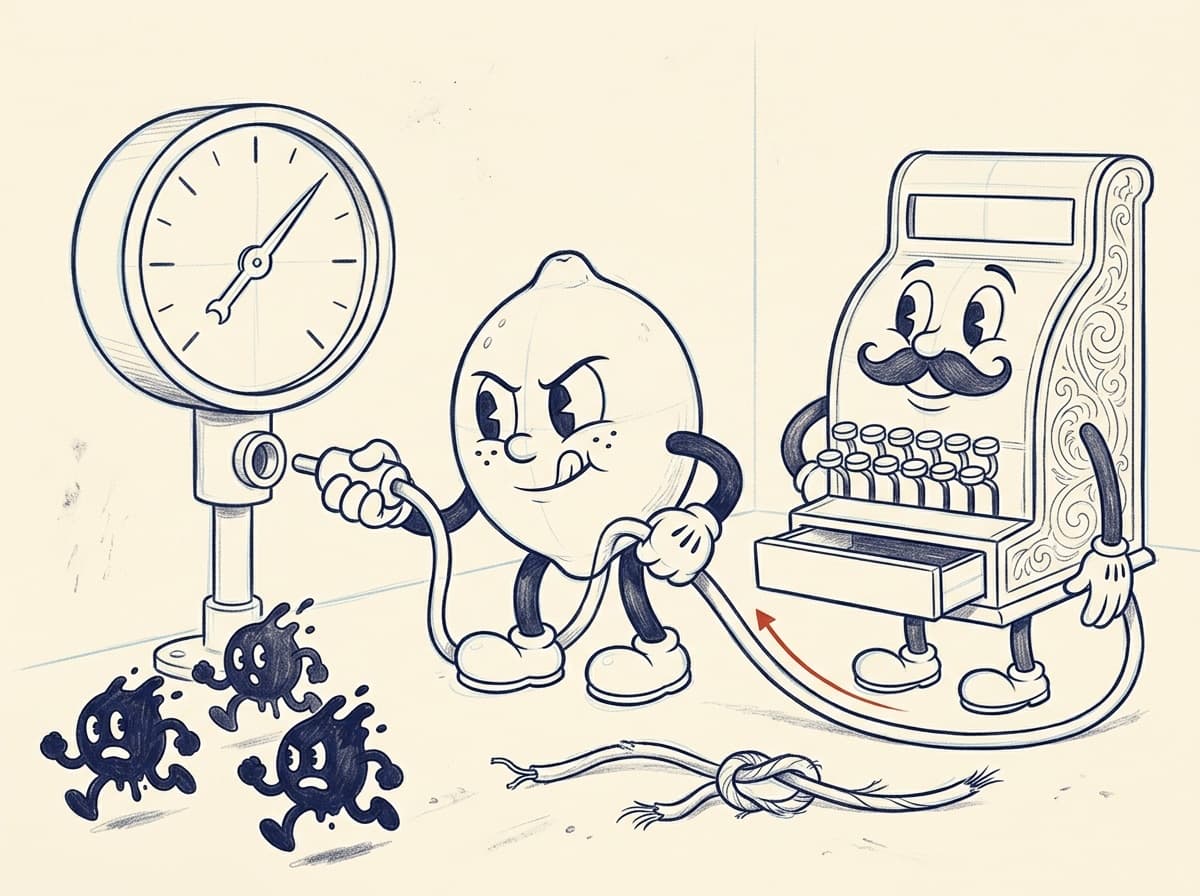
End credits · The stack
- Launch
- Indiegogo
- Store
- Shopify
- Tracking
- Littledata, server-side
- Analytics
- Google Analytics, Meta Conversions API
- Acquisition
- Paid media and email
- Supply chain
- Demand planning and reorders
Not if you want something like this.